- One-time payment · $199 one-time
- Recreational to competitive runners
- International
Running Gait Analysis
Understand how you run—and what, if anything, is worth changing. Receive an individualized running biomechanics assessment from a qualified physiotherapist, followed by practical recommendations and a personalized program built around your running goals.
Book Your Gait Analysis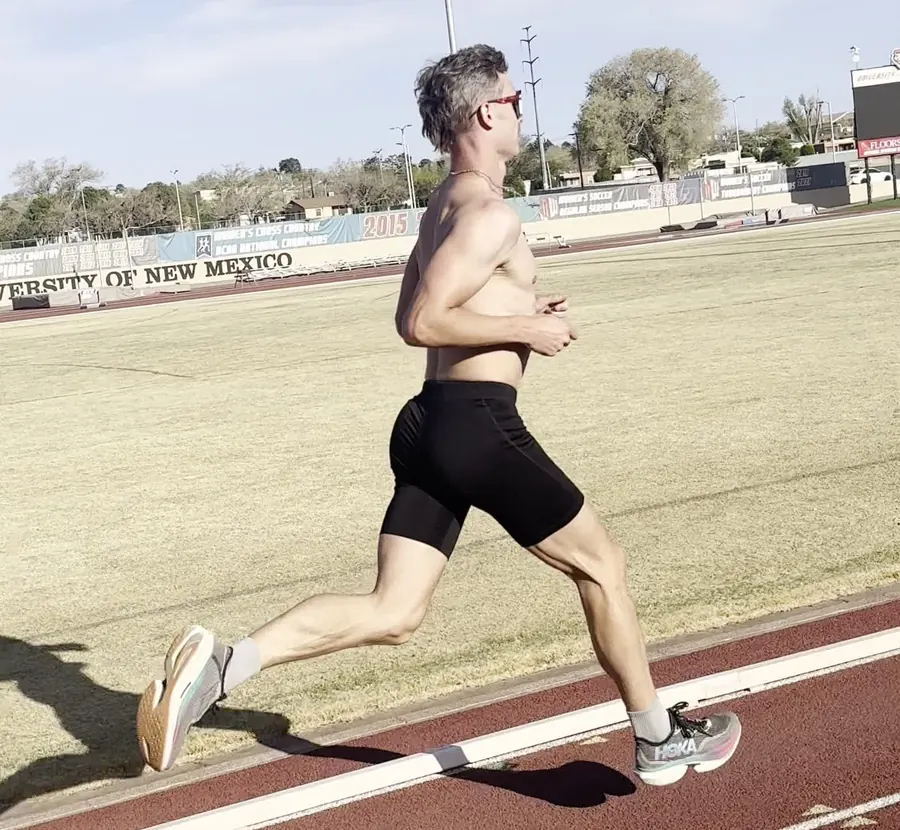
Who it's for
- Runners with a recurring niggle who want a professional view of their running
- Runners curious whether their mechanics are holding them back
- Runners returning from injury who want their running checked
- Coached and self-coached runners alike
What it helps with
- Understanding how you actually run, from several angles and speeds
- Knowing which features of your running matter for you, and which don't
- Clear, practical exercises and cues instead of generic advice
What's included
- Running history and goals questionnaire
- Review of training history, symptoms and relevant injury background
- Front, side and rear running video assessment
- Review of cadence, stride characteristics, foot contact, knee and hip mechanics, pelvic control, trunk posture, arm carriage and relevant left–right differences
- Personalized written biomechanics report
- Annotated screenshots or video stills illustrating relevant findings
- Individualized four-week exercise and running technique program where indicated
- One 20-minute video feedback consultation included
- Recommendations for further evaluation where clinically appropriate
What John assesses
Your running is reviewed in detail by a physiotherapist, not scored by an automated tool. Each feature is looked at in context, because the same movement can be a problem for one runner and perfectly efficient for another.
- Cadence and stride
- Step rate, stride length and how they change with speed.
- Foot contact
- Where and how your foot lands, including potential overstriding.
- Knee and lower-limb alignment
- Knee movement and alignment through stance.
- Hip and pelvis
- Hip mechanics and pelvic control.
- Trunk
- Trunk posture and movement.
- Arms and upper body
- Arm carriage and upper-body rotation.
- Vertical oscillation
- How much you bounce up and down with each stride.
- Crossover gait
- Whether your feet land across your midline.
- Left–right differences
- Asymmetries between your two sides.
- Speed changes
- How your mechanics change between easy and faster running.
Your physio in your corner
Your videos are assessed by a physiotherapist who has worked with elite runners, not by an automated tool. Every finding is interpreted in the context of your injury history, training load, symptoms, goals and footwear.
Many differences in how people run are perfectly normal. John only recommends changes where they're likely to be worth the effort for you.
About John FaganHow it works, step by step
- 1
Purchase
A one-time payment of the package price through secure checkout.
- 2
Complete the questionnaire
Your running history and goals, training, symptoms and any relevant injury background.
- 3
Film and submit your videos
Follow the filming guide below, then submit your front, side and rear clips securely.
- 4
Individual assessment
John reviews your running himself and interprets what he sees alongside your history, training and goals.
- 5
Your report and program
A written biomechanics report with annotated video stills, plus a four-week exercise and running technique program where indicated.
- 6
Feedback consultation
Book your included 20-minute video call to talk through your findings and ask questions.
Filming and submitting your videos
You don't need special equipment. A phone, a stable surface or tripod, and a friend to help are plenty.
Side view
Stride, foot contact, knee and trunk
Rear view
Hips, pelvis, crossover and symmetry
Front view
Knee alignment, arms and upper body
- Views
- Side view, rear view and front view.
- Clip length
- Approximately 10–15 seconds per clip.
- Paces
- Easy running pace, and steady or tempo pace.
- Camera
- Stable, at approximately hip height.
- Framing
- Your entire body visible in every frame.
- Distance
- Approximately 2–3 metres from the runner, where practical.
- Where
- A treadmill is preferred. Outdoor video is also accepted if it's filmed safely (see below).
Filming outdoors
A treadmill gives the clearest, most consistent footage, but outdoor video is welcome as long as it's filmed safely.
- Use a flat, quiet, traffic-free surface such as a running track or an empty path.
- Never film on or beside an open road.
- Your helper stands still, off your running line, and only films.
- Film in good daylight, so your legs and feet are clearly visible.
- Run past the camera at a steady pace, rather than speeding up for it.
Submitting your videos
- What to send
- One clip per view (front, side and rear) at each pace: easy and steady or tempo.
- Name each clip
- For example "side-easy" or "rear-tempo", so nothing gets mixed up.
- File format
- Normal phone video is fine. Please send the original file, not a screen recording or a heavily compressed copy.
- How to submit
- After purchase you'll get a secure upload link. Please don't send running videos by email or social media.
- If a clip is unclear
- John will let you know and ask for a replacement before he starts your assessment.
Findings in context
Video shows how you move. It doesn't, on its own, explain why something hurts or whether it matters. That's why every observation is interpreted alongside:
- Injury history
- Current symptoms
- Training load
- Your goals
- Footwear
What it can and can't do
Runners move in many different ways, and plenty of variation is perfectly normal. Not every mechanical difference needs correcting, and you'll only be advised to change something when it's likely to be worth the effort for you.
Gait changes can't guarantee you'll be pain-free, avoid injury or run faster. Gait analysis is a performance assessment, not a medical diagnosis. If something suggests you need clinical care, you'll be told so.
Other services
Many athletes combine services, for example a gait analysis before starting a running program.
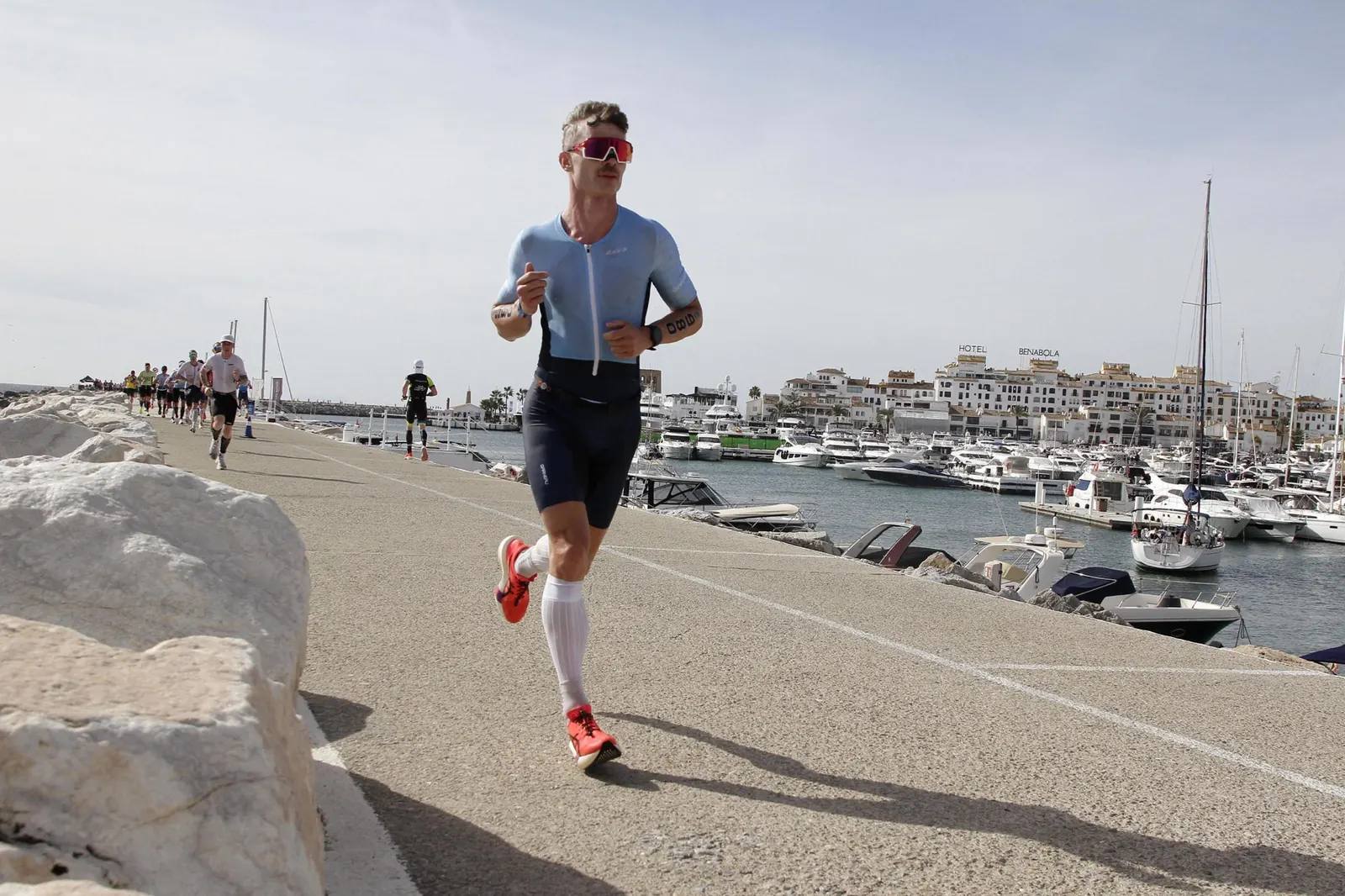
Monthly subscription5K to marathon and beyond
Online Running Coaching
Individual coaching for 5K to marathon and beyond, adjusted to how you're actually responding to training.
- Individualized running program
- Pacing, intensity and load guidance
- Race preparation and strategy
$179per month · International
Explore Running Coaching
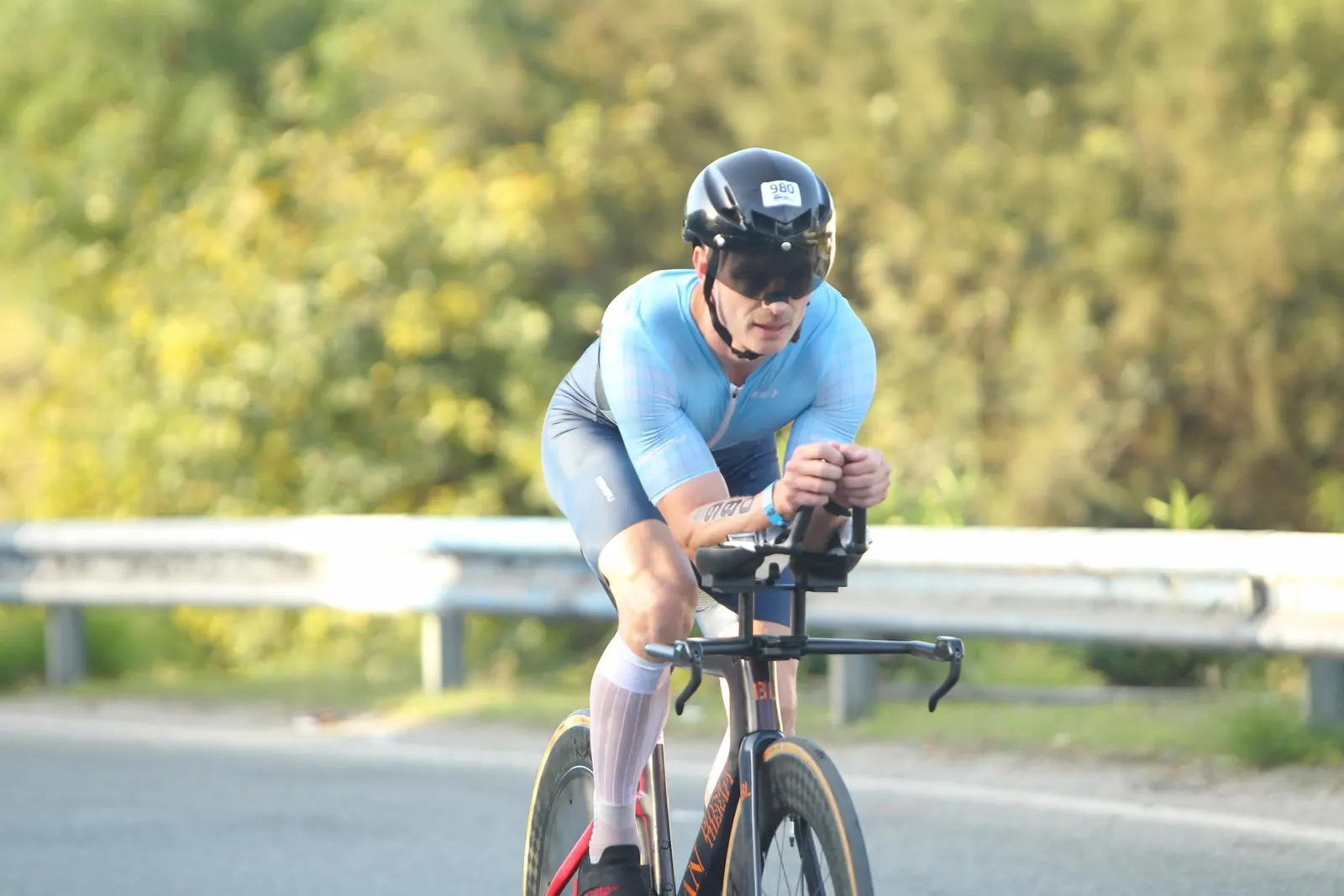
Monthly subscriptionSprint to Ironman distance
Online Triathlon Coaching
Swim, bike and run coached as one integrated program, from sprint and Olympic distance to middle distance and Ironman.
- Integrated swim, bike and run program
- Periodization and load management
- Race strategy and fueling guidance
$249per month · International
Explore Triathlon Coaching
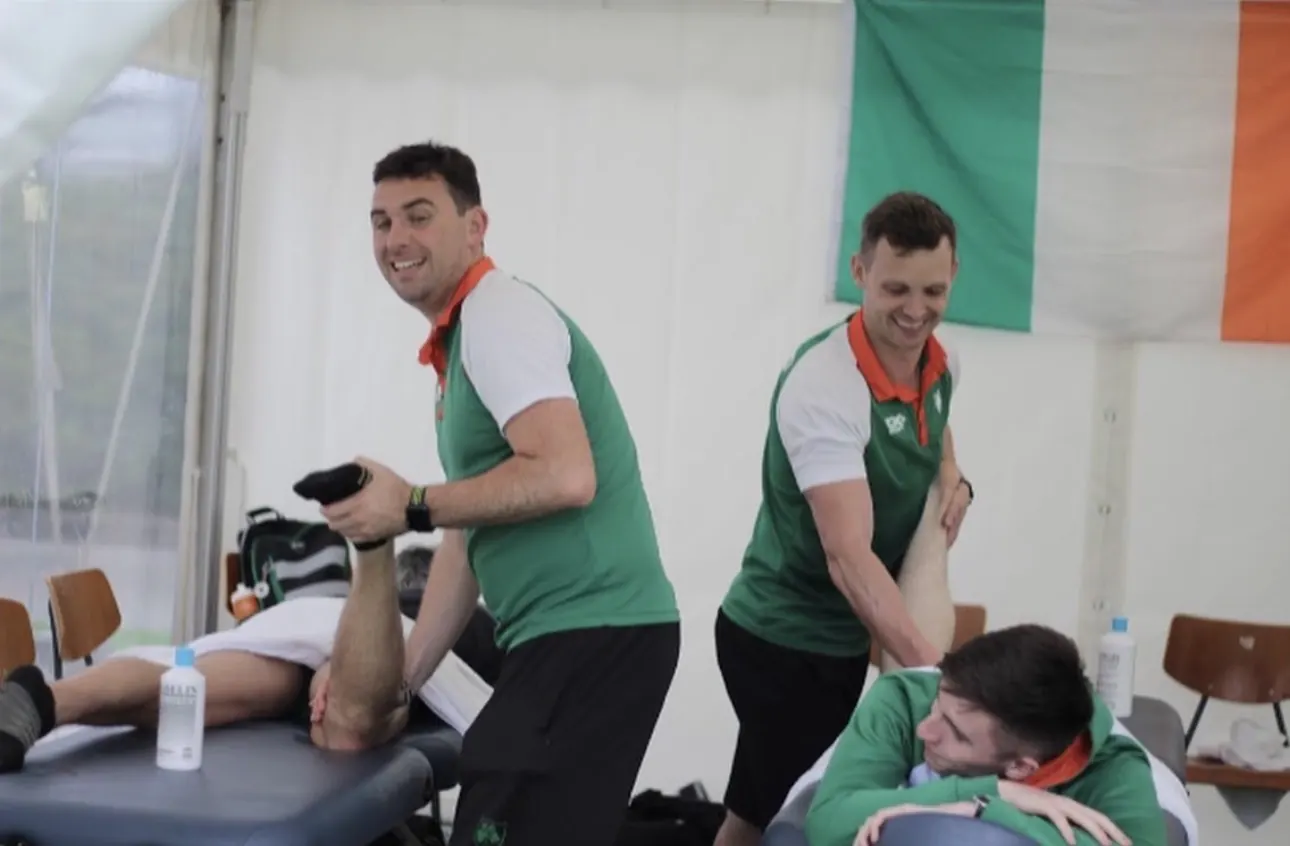
Coming soonInjury and return to sport
Online Physiotherapy
Online Physical Therapy in the US
Individualized online rehabilitation and clinical support from a qualified physiotherapist, where he is permitted to practise.
- Initial virtual clinical assessment
- Individualized rehabilitation program
- Scheduled clinical follow-ups
Not currently accepting patients · Selected locations
View Online Physiotherapy